Historic underground labyrinth metropolis found with its personal water system to chill down chambers throughout scorching summer time
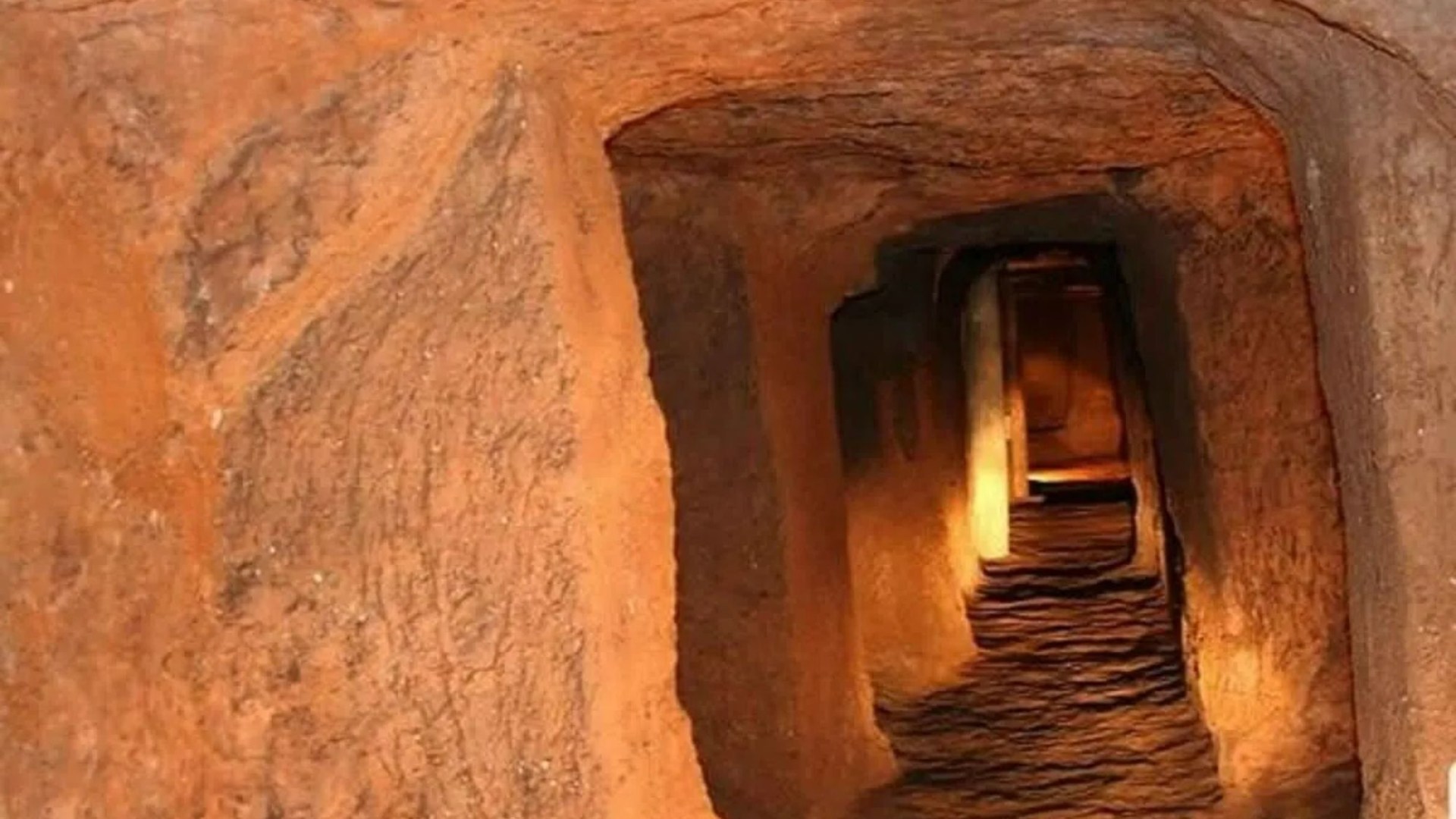
AN ANCIENT underground labyrinth metropolis with its personal superior water system has been found after researchers stumbled throughout it in a backyard.
The sprawling community of twisting passages was discovered beneath the historic city of Abarkuh, Yazd Province, central Iran.

6

6

6
Abarkuh has at all times been recognized to harbour a wealthy historical past, because it falls throughout the “golden triangle” between the traditional cultural hubs of Shiraz, Yazd and Isfahan.
However the large and complicated construction found beneath the city nonetheless amazed archaeologists.
The tunnels have been uncovered under 5 Abarkuh homes after stone chambers have been detected beneath their gardens.
Archaeologists broke by means of the earth to regain entry to the areas, which had sat undisturbed for lots of of years.
READ MORE IN ANCIENT FINDS
Thus far, they’ve explored an unlimited 650,000 square-feet of underground area, however the labyrinth might lengthen a lot additional all through all the metropolis.
The governor of Abarkuh, Hossein Hatami, mentioned that “analysis was persevering with” as a result of related discoveries previously counsel the corridors might stretch “all through all the historic context of Abarkuh”.
Researchers found out that the subterranean metropolis had been used primarily to move the native water provide.
It hosted town’s canal system, which was was key to offering consuming water and permitting residents to remain cool in the course of the baking desert summers.
Irina Tsukerman, a geopolitical analyst, mentioned: “These tunnels have been used to move water from underground aquifers to the floor for irrigation, consuming, and different makes use of within the arid area.”
It was essential for the water to move underground in order that it would not evaporate within the scorching-hot temperatures.
This allowed the traditional individuals to usher in water from distant provides, and saved it cool.
However archaeologists have come throughout extra than simply canal channels.
There are additionally giant halls carved out of the rock, suggesting that individuals would enterprise down and collect there.
The chambers would have supplied a reprieve from the punishing solar, and temperatures don’t soar so excessive underground.

6

6
The hidden community would even have served as a haven to cover in throughout wars and invasions.
Hatami mentioned: “The areas between these stone beds have been become gardens by the ancients, and so they had foreseen paths beneath these stone sections for ease of entry, safety, water transportation, and their lives.”
He added: “The presence of small stone chambers within the historic homes of Abarkuh, positioned beneath the stone mattress, signifies their particular perform previously.”
Historians assume the tunnels have been constructed by the Qajar individuals.
Clues come from the type of stones used to bolster the underground partitions – that are the identical stones the Qajar utilized in above-ground buildings.
This group was a tribe that started to unfold within the tenth century, and ultimately bloomed into Iran’s Qajar royal dynasty that existed between the 18th and twentieth centuries.
Irina mentioned: “There are numerous tunnels from the Qajar interval in Iran, though it’s troublesome to pin down an actual quantity.
“The Qajar dynasty was recognized for its large-scale infrastructure initiatives, together with the development of qanats, water reservoirs, and tunnels, a lot of that are nonetheless in use at present.
“Whereas it’s exhausting to present a exact depend, the Qajar dynasty left behind a major variety of such buildings.”

6
Supply hyperlink